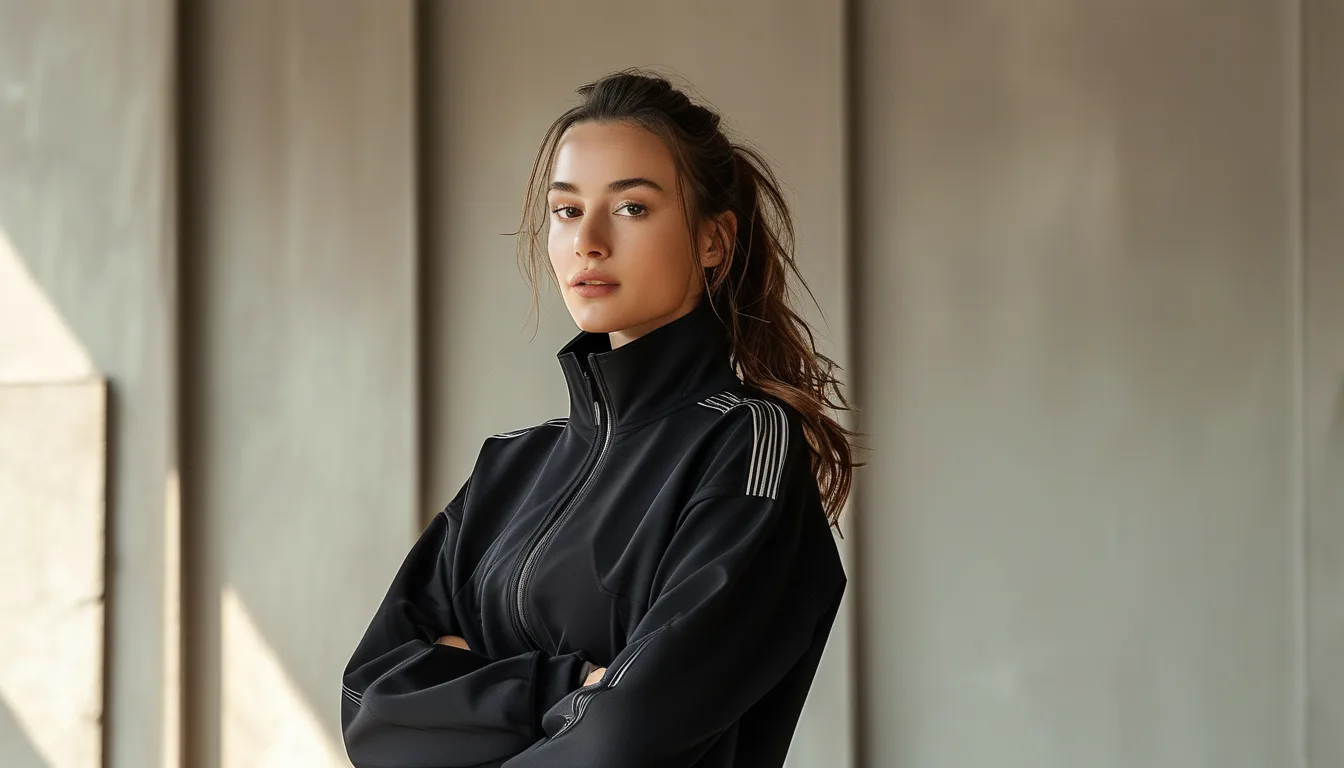
The Reason Your All-Black Outfit Reads as Three Different Blacks
Quick Answer: Blacks fail to match because dye behaves differently on different fibers — polyester takes black as a slightly cooler, bluer black while nylon takes it warmer and cotton reads softest and most faded. Building an all-black outfit from the same fiber content, or deliberately matching by finish rather than by fiber, is what makes the pieces read as one color instead of three.
The good news is that once you know the pattern, it’s predictable rather than random.
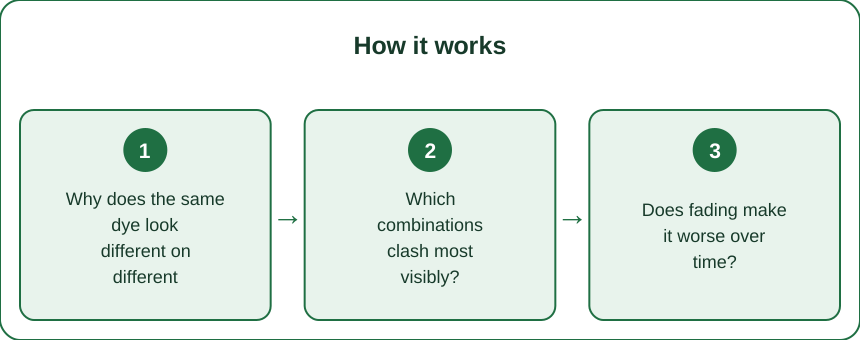
Why does the same dye look different on different fabrics?
Black dye isn’t a single pigment — it’s a blend, and each fiber type absorbs the components of that blend at different rates. Polyester is hydrophobic and takes disperse dyes, which tend to render a cool, slightly blue-black. Nylon takes acid dyes and holds a warmer, denser black.
Cotton takes reactive dyes and, because the fiber is more porous and reflects more light from its surface, reads as the least saturated of the three — often described as a soft or washed black even when new. Put all three in one outfit and you’re looking at three genuinely different colors that happen to share a name.
Which combinations clash most visibly?
Cotton against polyester is the most obvious mismatch — the cotton reads noticeably lighter and softer next to the polyester’s dense cool black, and the gap widens with every wash as cotton fades faster.
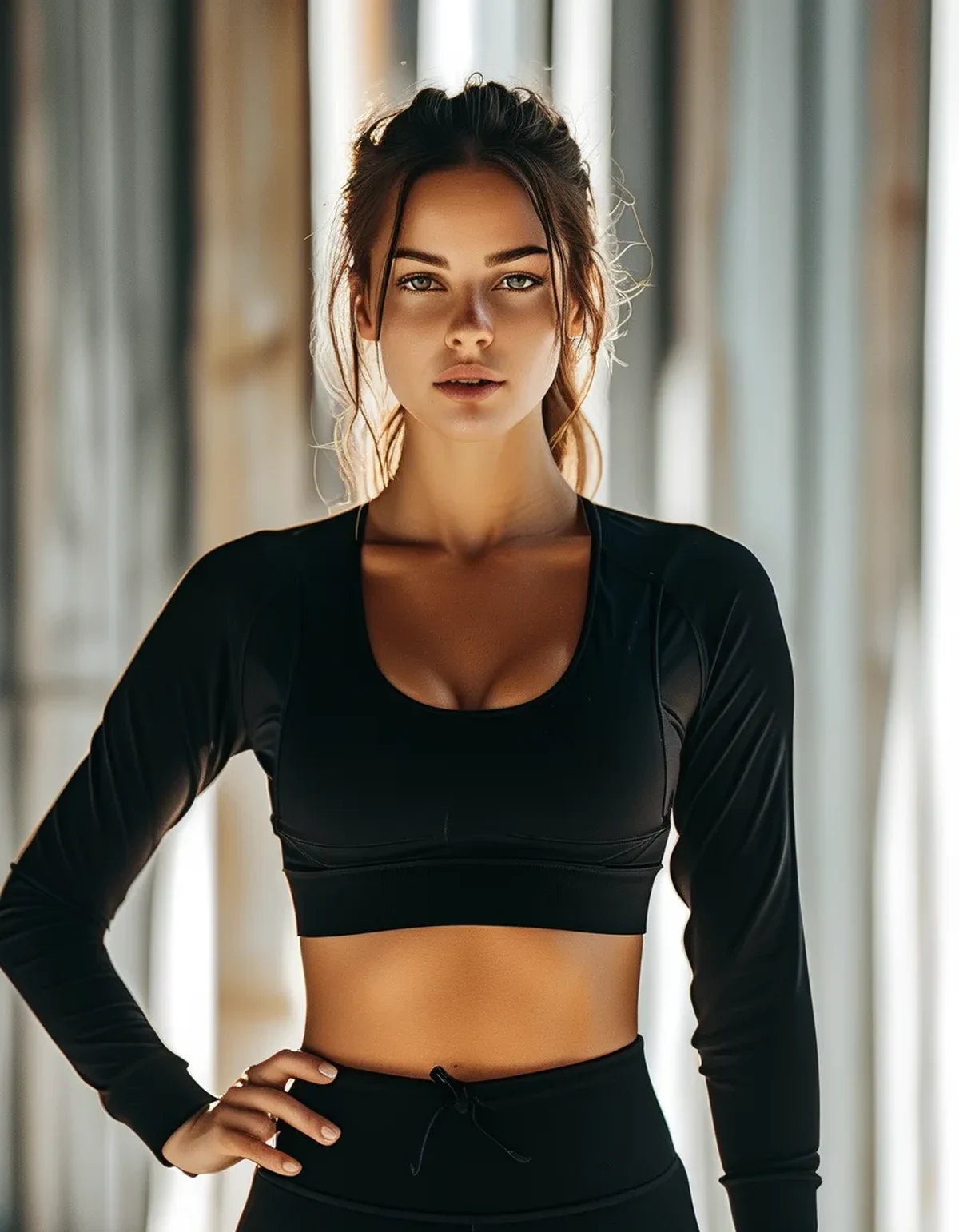
Nylon against polyester is subtler but still visible in daylight, showing up as a warm-versus-cool difference rather than a light-versus-dark one. The easiest combinations are the same fiber blend throughout — which is why a matching activewear set almost always looks cohesive while mixing a cotton tee with performance leggings rarely does. Matte against shiny at the same fiber content also creates a visible split, since surface finish changes how much light reflects back.
Does fading make it worse over time?
Considerably, and at different rates per fiber. Cotton loses black dye fastest, often visibly within 20 to 30 washes. Polyester holds black longest, since disperse dyes are locked inside the fiber rather than bonded to the surface. Nylon sits in between.
This means an outfit that matched acceptably when new can drift apart substantially within a season. Washing dark pieces together, cold, inside out, without softener slows all three — but it can’t equalize them, because the underlying fade rates differ. The practical takeaway is that an all-black outfit built from one fiber type stays matched; one built from three drifts.
How do you build an all-black outfit that holds together?
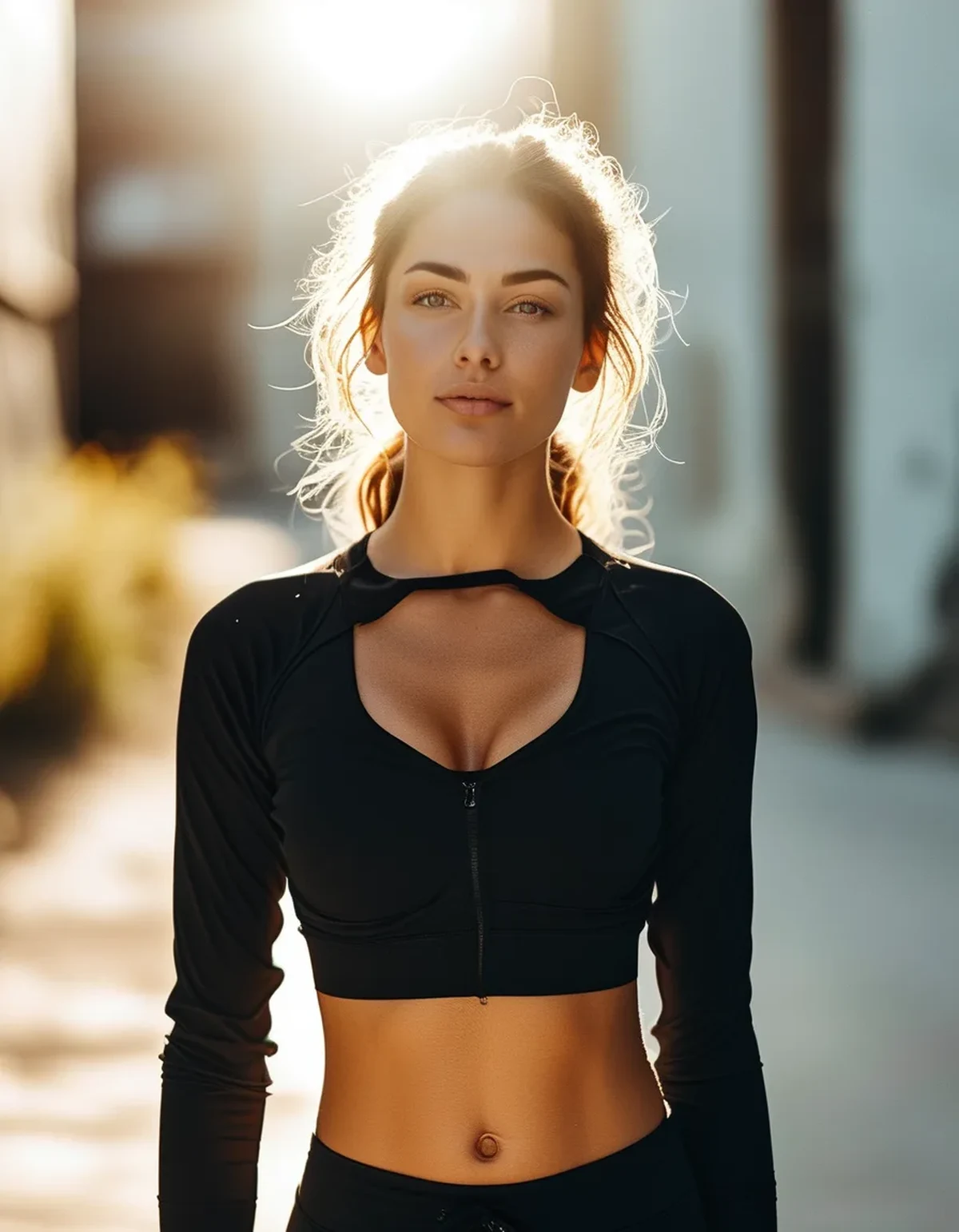
Three approaches work. Buy pieces as a set from one brand and one fabric — the simplest and most reliable, and the reason matching sets look so clean.
Or deliberately embrace the variation by mixing textures obviously enough that the eye reads it as intentional layering rather than a failed match — a ribbed knit with a smooth legging with a matte jacket. Contrast in texture gives the eye a reason for the color difference. Or anchor with the darkest piece on the bottom, since a slightly lighter top reads as a natural lighting gradient while the reverse looks like a mistake. What doesn’t work is putting two nearly-matching blacks directly adjacent — near-matches are far more noticeable than obvious contrasts.
5 Mistakes People Make With All-Black Outfits
1. Mixing cotton and performance fabrics. The single most visible mismatch, and it worsens with every wash.
2. Buying replacement pieces separately over time. Dye lots shift between production runs even within one brand and fabric.
3. Judging the match under store lighting. Warm retail lighting flattens the difference between warm and cool blacks. Check in daylight.
4. Putting the two closest blacks side by side. Near-matches draw the eye; obvious contrasts don’t.
5. Washing black pieces with lighter loads. Lint transfer onto black is a separate problem that makes a good match look bad anyway.
FAQ: All-Black Outfit Questions, Answered
Can I re-dye faded black clothing to restore the match?
On cotton, often yes with a fiber-appropriate dye. On polyester and nylon blends, results are unpredictable — home dyes rarely penetrate synthetics evenly.
Does washing black clothing inside out really help?
Yes, meaningfully. Most visible fading comes from surface abrasion against the drum, and turning pieces inside out moves that abrasion to the inner surface.
Is ‘true black’ marketing meaningful?
Sometimes — it usually indicates a higher dye concentration or a solution-dyed fiber, which does hold color longer. It’s not a regulated term, so it varies by brand.
TL;DR:
- Polyester takes black cool, nylon takes it warm, cotton takes it soft — same dye, different results
- Cotton fades fastest and polyester slowest, so mismatches widen over time
- Build all-black outfits from one fiber type, or contrast textures obviously enough to look intentional
- Never place two near-matching blacks directly adjacent — obvious contrast reads better than a near-miss
The mismatch is chemistry, not carelessness. Shop by fiber content and the problem mostly solves itself.
See It in Motion
Seen here: High Waist 8” Yoga Shorts — shop similar styles on bubblelime.com
Keep Reading
This article is for general informational and styling purposes only. Fit, sizing, and product availability may vary.