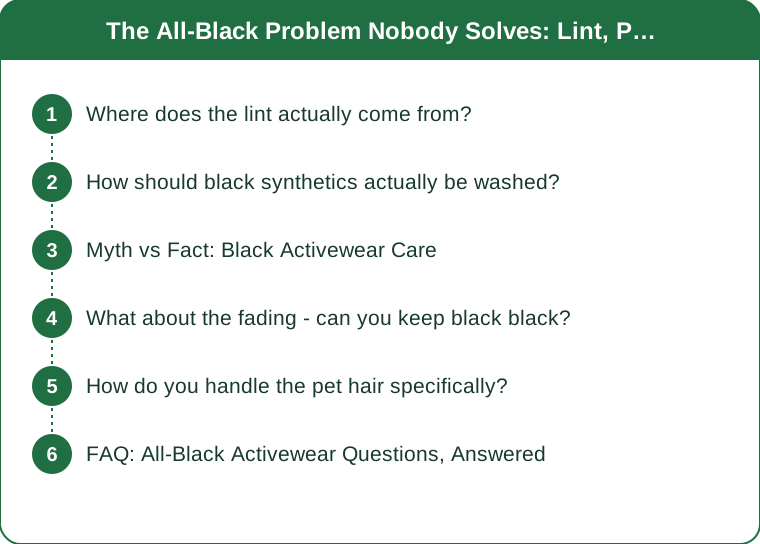
The All-Black Problem Nobody Solves: Lint, Pet Hair, and Pilling
Quick Answer: Lint on black activewear comes mostly from washing it with towels and cotton, and from static in dry indoor air. Pilling comes from friction against rough surfaces plus high-heat drying. Wash black synthetics inside out with other synthetics only, skip fabric softener, use a cool wash, and hang dry - that combination solves the majority of both problems without any special product.
The all-black uniform is genuinely the easiest way to look pulled together. It’s also the least forgiving surface material science ever handed to anyone with a cat.
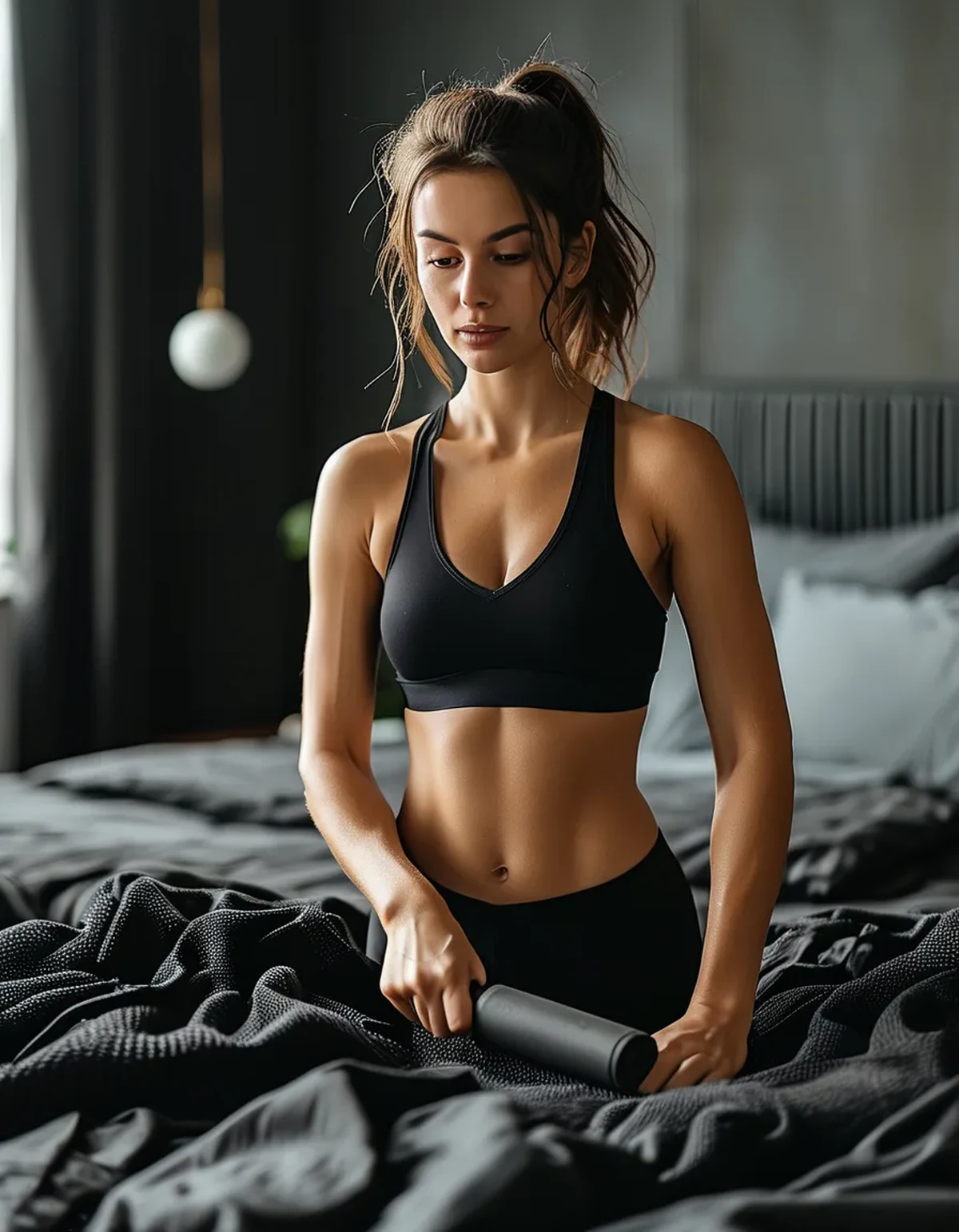
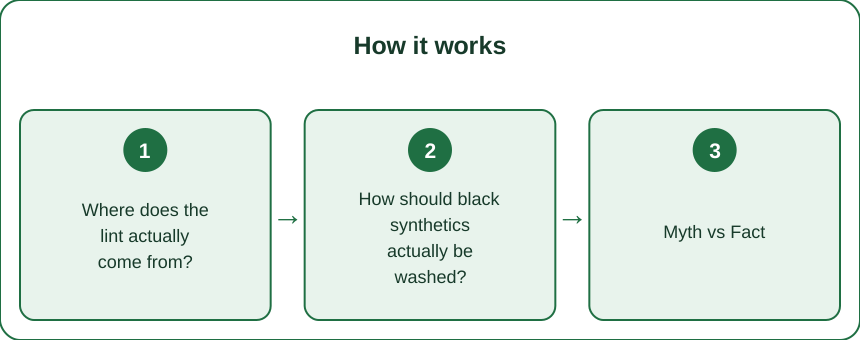
Where does the lint actually come from?
Almost never from the black garment itself. It’s arriving from somewhere else, and there are three main sources.
1. The wash load. Cotton and towels shed enormously. A single bath towel in a load with black leggings will coat them, and no amount of rolling afterwards fully undoes it. This is the biggest single cause and the easiest to fix.
2. Static. Dry indoor air - which arrives the moment heating goes on in autumn - charges synthetic fabric, and charged fabric attracts every loose fibre in the room. This is why the lint problem reliably gets worse in the colder months and why it feels like a sudden change in the garment.
3. Contact surfaces. Upholstered car seats, sofas, and fleece blankets transfer fibres directly. A fifteen-minute drive can undo a full lint roll.
The diagnostic: if the lint is short, pale, and evenly distributed, it’s the wash load. If it’s long, varied, and concentrated where you sit, it’s contact surfaces. If it appears within minutes of getting dressed, it’s static.
How should black synthetics actually be washed?
The full protocol is short, and each step matters.
- Sort by fabric type, not just by colour. Synthetics with synthetics. Black leggings should never share a drum with towels, cotton tees, or anything fleecy - this is the single highest-impact change.
- Turn everything inside out. It protects the outer surface from abrasion, which is what causes pilling, and it puts the sweat-facing side against the water.
- Cool wash, 30C / 86F or below. Heat degrades elastane and sets creases; it doesn’t clean activewear better.
- Skip fabric softener entirely. It coats technical fabric, ruins wicking, traps odour, and does nothing useful. If static is the issue, wool dryer balls or a splash of white vinegar in the rinse works without the coating.
- Use less detergent than you think. Excess detergent doesn’t rinse out of tight synthetic knits and builds a residue that both holds odour and attracts lint.
- Hang dry. Tumble drying is the primary accelerator of both pilling and elastane failure. Nothing else on this list matters as much.
One addition worth the small cost: a mesh laundry bag. It reduces friction against zips, hooks, and the drum, which is exactly where pilling starts.
Myth vs Fact: Black Activewear Care
Myth: Pilling means the fabric is cheap. Fact: Pilling is a friction phenomenon that affects most knits, including expensive ones. Fabric quality changes how quickly it happens and how firmly the pills attach - it doesn’t make a garment immune. Where you sit and how you dry matters more than what you paid.
Myth: Fabric softener stops static and helps. Fact: It reduces static and it coats the fibres doing so. On technical activewear that coating blocks moisture wicking and traps bacteria, which is the actual cause of the smell that survives washing.
Myth: Washing black clothes less keeps them black longer. Fact: Sweat is acidic and degrades both fibre and dye over time. Washing correctly beats washing rarely. What genuinely fades black is heat, sun, and harsh detergent - not water.
Myth: A lint roller is the solution. Fact: It’s the symptom management. Useful before leaving the house, useless as a strategy. If you’re rolling every day, the problem is in your wash routine or your air humidity.
Myth: Once it pills, it’s done. Fact: A fabric shaver removes existing pills cleanly and safely on most knits, and a garment can look genuinely new afterwards. Don’t use a razor - it catches and cuts threads.
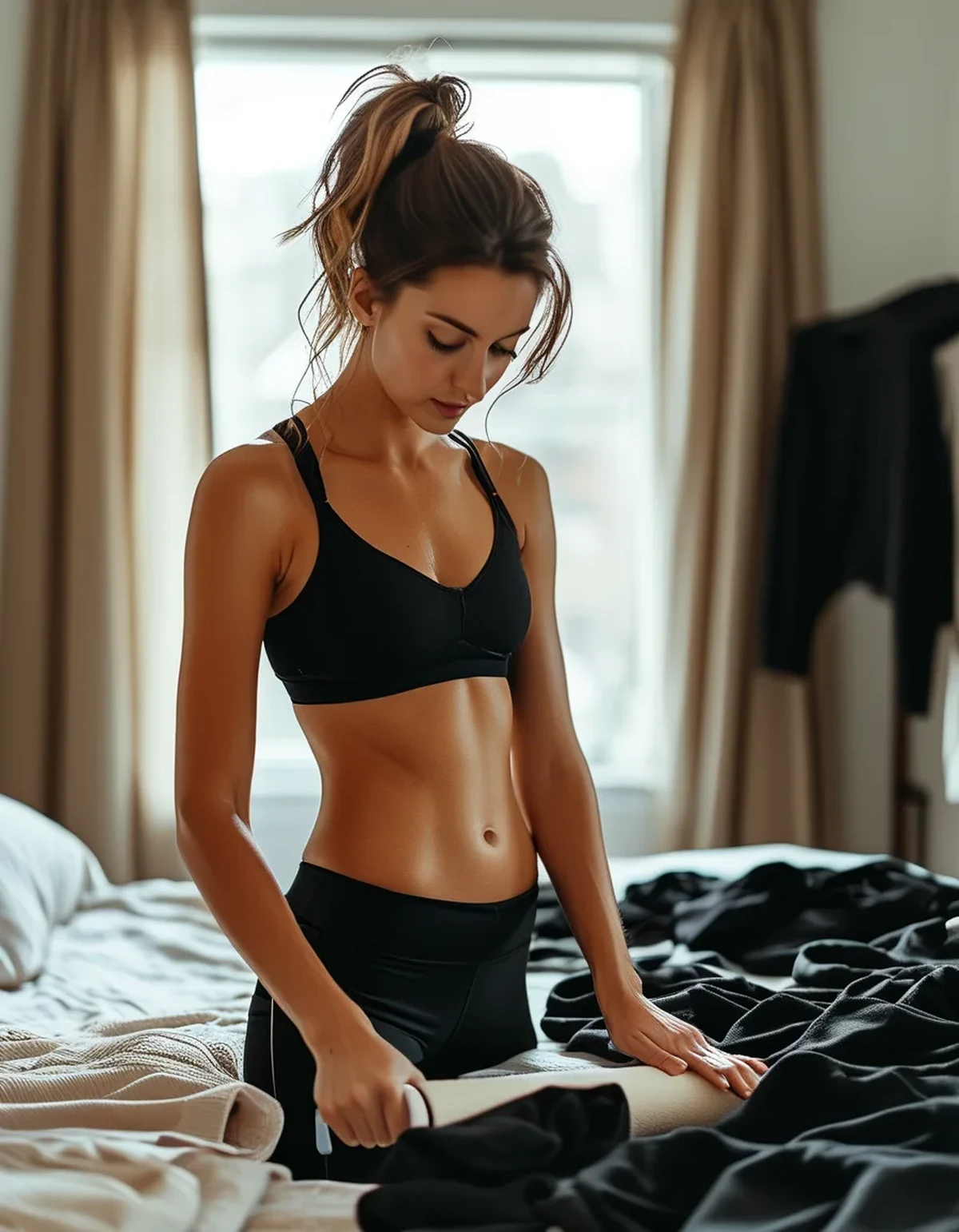
What about the fading - can you keep black black?
Yes, mostly, and the enemies are heat, UV, and alkaline detergent rather than washing itself.
What causes black to go grey:
- Hot water and hot drying, which open the fibre and release dye
- Direct sun while drying - UV breaks down dye rapidly, and a few sunny afternoons on a balcony does visible damage
- Standard alkaline detergents over time; a detergent formulated for darks or for delicates is gentler
- Abrasion, which physically removes the dyed surface layer - the same mechanism as pilling
What to do:
- Dry in shade or indoors, always
- Inside out for both washing and drying
- Cool water, gentle detergent, no bleach or oxygen brighteners
- Half a cup of white vinegar in the rinse occasionally helps strip detergent residue that dulls the surface
On dye-refreshing products: black dye refreshers do work on cotton. On elastane blends they’re unreliable and can leave patchy results, because the elastane doesn’t take the dye. For activewear, prevention is genuinely the only good option.
How do you handle the pet hair specifically?
Pet hair on black synthetics is its own category, because the hair barbs into the knit rather than resting on it.
Before washing - and this is the step that matters most: get as much off as possible while the garment is dry. Hair that goes into the machine redistributes across everything in the load and works deeper into the knit. A rubber glove dampened slightly and dragged across the fabric lifts more than any roller.
In the wash: a 10-minute no-heat tumble before washing knocks a surprising amount into the lint trap. If you don’t have a dryer, a vigorous shake outdoors does some of the same job.
In the home:
- Keep a washable throw on the sofa spot you actually use and wash that instead of everything else
- Keep training clothes out of the bedroom if pets sleep there - storing them in a closed drawer rather than on a chair makes a visible difference
- Run a humidifier once heating season starts; raising indoor humidity reduces static, and static is what makes hair cling rather than fall off
The humidity point is the one people skip, and it’s why the problem seems to appear from nowhere every autumn.
FAQ: All-Black Activewear Questions, Answered
Does washing black activewear in cold water actually clean it?
Yes - modern detergents are formulated for cold, and activewear soil is sweat and body oil rather than ground-in dirt. For odour specifically, a pre-soak in cold water with a splash of vinegar works better than a hot wash.
Are anti-static sprays safe on technical fabric?
Most are silicone-based and leave the same wicking-blocking film as fabric softener. Raising room humidity is the better fix; if you need a spray, use it on the inside of a jacket rather than on training pieces.
Why do some black pieces fuzz within weeks and others last years?
Knit tightness and yarn type. Tightly knit, filament-yarn fabrics resist pilling well; loosely knit, spun-yarn or brushed fabrics fuzz quickly. Brushed buttery fabrics are the most pill-prone category, which is the trade-off for how they feel.
Is it worth buying a fabric shaver?
For anyone with an all-black wardrobe, yes - it’s inexpensive and restores garments that would otherwise be retired. Use it on a flat surface, never while wearing the garment.
TL;DR:
- Lint mostly comes from washing with towels and cotton - sort by fabric type, not colour
- Inside out, cool wash, no fabric softener, less detergent, hang dry in shade
- Pilling is friction plus heat; a mesh bag and no tumble drying prevents most of it
- Remove pet hair dry, before it ever reaches the machine
- Raise indoor humidity once the heating goes on - static is the autumn culprit
All-black is the lowest-effort way to look put together, and it asks for the small amount of effort back at the laundry stage. Get the wash routine right and the lint roller becomes a once-a-week item instead of a daily one.
See It in Motion
Seen here: Super High Waist Embossed Yoga Leggings with Inner Pocket — shop it on bubblelime.com
Keep Reading
This article is for general informational and styling purposes only. Fit, sizing, and product availability may vary.